
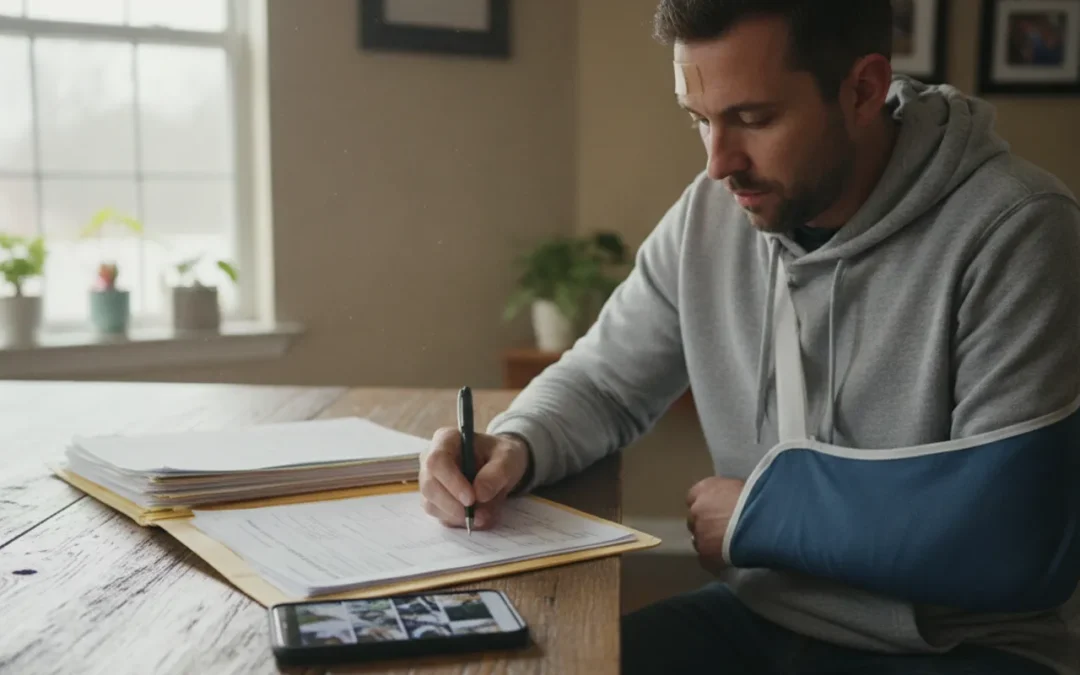
Preserving evidence after car accident Kentucky drivers may need can feel like one more burden when you are hurt, worried about your car, or dealing with insurance calls. Start with what you can safely keep: photos, contact details, medical records, repair documents, and written communications. You do not need to solve the whole claim today. A clear, organized record can help you explain what happened and what changed afterward.
What evidence should you preserve after a Kentucky car accident?
Evidence is more than a picture of the damaged vehicles. It can include information about the crash, the people involved, injuries, treatment, missed work, vehicle damage, and conversations with insurers. Keep original records when you can, and make a backup copy of digital items.
Begin with materials already in your possession. Do not put yourself at risk or return to a dangerous roadway to collect anything. If you could not gather information at the scene, you can still start documenting what you remember and preserving records that become available later.
- Scene information: Photos or video of vehicle positions, damage, road conditions, traffic signs, debris, weather, and visible marks on the road.
- People and vehicles: Names and contact details for drivers and witnesses, vehicle descriptions, and insurance information you received.
- Official and insurance records: Any crash report information, claim numbers, letters, emails, and notes from calls.
- Injury and loss records: Medical paperwork, receipts, work absence records, repair estimates, and towing or rental documents.
For an overview of immediate crash-response steps, see this car wreck information page. It can complement your recordkeeping, but it is not a substitute for medical care or a review of your particular situation.
How can you preserve crash-scene details safely?
Your health and safety come first. If anyone may be injured, seek emergency help as appropriate and move away from traffic when it is safe to do so. Do not walk into a live lane or stand near an unstable vehicle to take photographs. Seek medical attention immediately for your injuries.
If you are safe and able to document the scene, take several photos from different distances. A wide view can show where the vehicles came to rest in relation to the road. Closer pictures can show the damage, broken parts, and other details. Photograph both vehicles if you can do so safely, not only the area that looks most damaged.
Useful scene details may include:
- The direction each vehicle was traveling and its position after the collision.
- Street names, nearby intersections, lane markings, traffic signals, signs, and construction areas.
- Skid marks, debris, fluid, damaged barriers, or other visible road conditions.
- Lighting, weather, and visibility as you observed them at the time.
Keep the original photo files where possible. Avoid editing, cropping, or adding marks to the only copy. If you make a copy to share, retain the original. Save files in a backed-up folder and label them with the date and a short description. If another person took a photo or video, ask them to keep the original file and note who took it.
Do not assume a public camera or nearby business recording will be available later. You can write down the location of a possible camera and when you noticed it, then ask for guidance about whether any follow-up is appropriate. Do not trespass or confront anyone to obtain footage.
How can family members help preserve information?
A family member or trusted friend can help with practical tasks if you are receiving care, feeling shaken, or unable to manage paperwork. Ask them to collect documents you already have, make copies, and keep a note of where each item came from. They can help maintain the folder or scan receipts, but the record should remain accurate and should not be changed to fit a particular account.
If someone else took scene photos, ask them to keep the original files and send you a copy. Make a note of their name and when the images were taken or received. If a friend drove you to an appointment or helped with a repair or rental issue, keep the related receipt or correspondence. These records may help you remember the practical sequence of events later.
Agree on one place to store documents so records do not end up scattered across several phones and email accounts. Limit access to people who need to help. If a relative communicates with an insurer or another organization for you, keep a copy of the communication and note who was involved. Do not assume another person can make decisions or speak on your behalf without appropriate permission.
What should you write down while your memory is fresh?
As soon as you are able, make a private account of what you remember. Note the approximate time and place, your route, what you saw and heard, and what happened immediately before and after impact. Use your own words. Separate what you directly remember from what someone else told you.
It is normal for details to be unclear after a stressful event. Mark uncertain details as uncertain rather than filling in gaps with guesses. Add the date when you created each note. If you later remember something else, add a dated entry instead of silently changing the earlier account.
Make a separate list of witnesses and people who helped. Include their names and contact information if you have it, and a brief note about what they may have observed. Do not pressure witnesses to agree with your version or coordinate accounts. If you already received a crash report or other official document, keep it with your records. The firm’s guide to reporting a car accident may help you understand why reporting information belongs in your file.
How do you document injuries, care, and expenses?
Keep medical records and bills as they arrive, including visit summaries, referrals, prescriptions, and instructions from your providers. Save appointment confirmations and notes about symptoms or limitations you experience. A simple daily log can record pain, sleep disruption, activities you could not do, and whether symptoms changed. Keep it factual and dated.
Follow medical guidance and attend recommended appointments. Do not change or stop care because you are worried about how a claim may look. Questions about diagnosis and treatment belong with a qualified medical professional. If symptoms arise later, record when you noticed them and discuss them with a healthcare provider.
Also keep documents that show practical effects of the crash. Examples include receipts for out-of-pocket purchases related to care, records of missed work, and written information from an employer about time away or changes to duties. Keep the original documents and make copies before sending them anywhere. Do not include private details that are unrelated to your records when sharing copies.
For the vehicle, save photographs, towing receipts, repair estimates, invoices, and communications about inspection or repairs. If the car is going to be repaired or moved, keep a record of its condition before that happens when safe and practical. Ask the repair facility for copies of relevant records. Do not delay necessary repairs solely to create evidence; ask an appropriate professional if you are unsure what to do.
How should you organize insurance and other communications?
Start one folder, either paper or digital, for the crash. Use separate sections for scene evidence, medical records, vehicle records, expenses, and insurance communications. A basic index can list the document name, date, and where it is stored. Back up digital files in a secure place and avoid relying on a single phone or email account.
After an insurance call, write down the date, the name of the person you spoke with, the company, the claim number, and a short summary of what was discussed. Keep emails, letters, text messages, and voicemail messages. Save attachments in their original form. If you send something, keep a copy and note when and how it was sent.
Be careful about signing documents or giving a recorded statement if you do not understand what is being requested. You can ask for the request in writing and take time to review it. Avoid posting crash details, photos, or opinions about fault on social media; online posts can be viewed without the context you intended. Do not delete relevant messages or accounts as a way to manage the record.
A well-organized file does not determine who is legally responsible. It can help you and the people reviewing a claim see what information exists. For more on how evidence relates to responsibility, read how fault may be evaluated after a Kentucky car accident.
How can you create a simple evidence log?
A short log can help you find an item again without needing a complicated system. Create one document or notebook with a few columns: date, item, where it is saved, and a brief note. For example, an entry might say “Tuesday, vehicle photos, phone backup folder, left-side damage and intersection view.” Keep the note neutral and descriptive. The log is an index, not a place to argue your case.
Use consistent file names for digital items. A date followed by a short description can be enough, such as “2026-11-12 intersection photos.” If you do not know the exact date, do not invent one; label the date as approximate or add a note about when you received the item. When you receive a new bill or letter, add it to the right folder and update the index while you still know what it is.
Keep a simple list of items you have requested but do not yet have, such as a repair invoice or a copy of a report. Record when you made the request and who you contacted. Do not repeatedly contact people or businesses in a way that feels confrontational; keep the communication calm and factual. If a record is important and you are unsure how to request or preserve it, ask a lawyer for guidance.
Before sending any collection of records to someone, make a copy for yourself and check that you are sending the intended files. Store medical or financial records somewhere secure. Avoid sharing another person’s personal information unnecessarily. An organized collection may help you answer questions more clearly, but it does not mean you should send every document to every person who asks for it.
Which records are worth keeping, and why?
This table is a practical starting point, not a complete checklist for every crash. Keep what you have, note what is missing, and do not put yourself in danger to obtain an item.
| Record or evidence | What to preserve | Practical way to keep it |
|---|---|---|
| Scene photos and video | Vehicle positions, damage, road layout, signs, and visible conditions | Save original files; back them up and note who took them |
| Witness and driver details | Names, contact information, vehicle details, and insurance information received | Keep a dated note; do not edit another person’s account |
| Medical records | Visit summaries, bills, referrals, prescriptions, and care instructions | File by date and keep copies of records you provide |
| Vehicle and transport records | Towing, rental, inspection, repair estimates, photos, and invoices | Keep receipts and correspondence together in one section |
| Work and expense records | Time missed, work-related documents, and relevant receipts | Use a dated log and save supporting documents |
| Insurance communications | Letters, emails, claim numbers, call notes, and attachments | Save full messages and record the date and sender |
What if you did not collect evidence at the scene?
You can still take useful steps. Write down what you remember now, preserve any photos or messages already on your phone, and request copies of records you are entitled to receive. Keep the vehicle repair file and medical paperwork as they become available. If someone was with you, ask them to make their own dated notes without coaching them on what to say.
Do not try to recreate missing details or alter a document to make it look more complete. Mark a gap as a gap. If you are concerned that a recording, physical item, or other information could disappear, get advice promptly about appropriate next steps. How evidence is obtained and used can depend on the facts and circumstances.
The National Highway Traffic Safety Administration provides general vehicle and roadway safety information. For your own records, focus on preserving what you personally have and keeping your account accurate.
How can an attorney help with evidence after a crash?
An attorney may review the available records, identify questions that need follow-up, and explain how documentation may relate to a claim. Rick Hessig is an attorney and Licensed Professional Private Investigator. His investigator-backed approach to case development may be relevant when a crash involves disputed facts or evidence that needs further review. The next steps depend on the details; no particular outcome can be promised.
If you are comparing options, this guide to finding a personal injury attorney suggests questions to ask. You can also read about the stages of a Kentucky car accident claim to understand the process in general terms.
Rick Hessig Law serves car accident victims in Louisville and the Kentuckiana region, including Southern Indiana. A free, no-obligation case evaluation can provide an opportunity to discuss what happened and ask questions. The firm uses a contingency-fee model described as “No Fee Unless You Win,” with no upfront attorney fee. In accordance with KBA regulations, we must inform you that case and court costs may be the responsibility of the client.
Request a free case evaluation or call the KY Injury Hotline at 502-777-1111.
Frequently asked questions
Should I keep the original photos from the crash?
Yes. Keep the original files when possible, make a backup, and avoid editing the only copy. If you share a copy, retain the original and note who took the photo.
What if my injuries appeared after I left the scene?
Seek medical attention immediately for your injuries. Keep records of your care and write down when you noticed symptoms, without guessing about their cause. Discuss health concerns with a medical professional.
Can I repair my vehicle before taking every possible photograph?
Do not delay necessary repairs just to collect evidence. If it is safe and practical, photograph the damage and keep estimates, invoices, and related communications. Ask for guidance if you have concerns about an inspection or repair decision.
How long should I keep the records?
Keep relevant records together and do not discard them while you are still addressing the crash or a related claim. A lawyer can discuss what may be relevant to your circumstances. Do not rely on a general article to determine a deadline.
Preserving accurate records can make it easier to explain what happened and keep track of how the crash affected you, one step at a time.