
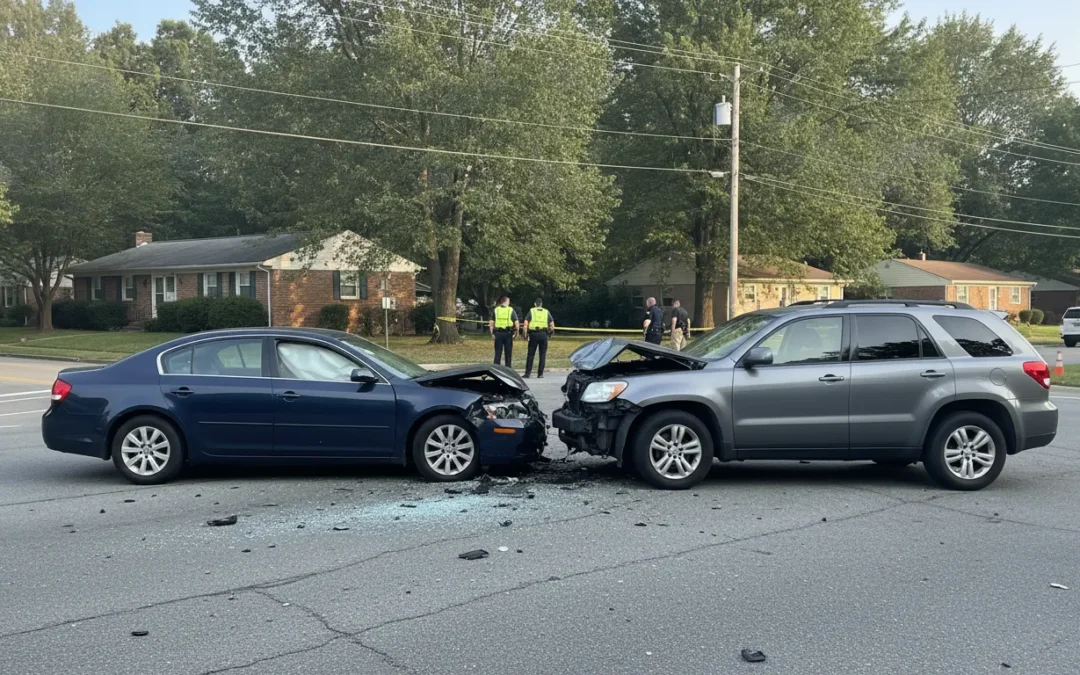
A T-bone crash can leave you dealing with pain, confusion, and questions about what happens next. If you are searching for what to do after a T-bone accident in Kentucky, start with the basics: get to safety if you can, call for help when needed, get medical care, document the scene, and keep your communications factual. These steps can protect your health and preserve information that may help explain how the collision happened.
Request a free case evaluation
After a Kentucky T-bone accident, call 911 when there are injuries or an unsafe scene, exchange information without arguing about fault, photograph the vehicles and roadway if it is safe, seek medical attention, keep your records, and avoid signing a release before you understand it. A side-impact collision does not automatically answer who is responsible, so preserve evidence and request legal guidance if fault, injuries, or insurance coverage is disputed.
Every crash is different. A T-bone collision can happen at an intersection, in a parking lot, while a driver is turning, or when a vehicle leaves its lane. The visible damage may be on one side of a vehicle even when the full injury picture develops later. The following checklist is general information, not a prediction about your claim or a substitute for advice about your own facts.
What should you do immediately after a T-bone crash?
Your first priority is safety, not collecting evidence. If you can move without worsening an injury, get out of an active traffic lane and away from leaking fuel, smoke, broken glass, or other hazards. Turn on hazard lights if possible. Call 911 when anyone is hurt, a vehicle is blocking traffic, the scene is unsafe, or emergency help is needed. Tell the dispatcher where you are and describe the visible danger or injuries.
Do not move an injured person unless staying in place creates a greater immediate danger or a trained responder directs you to do so. Cooperate with police, firefighters, and medical personnel. You do not need to argue with the other driver at the scene or decide fault before you have had a chance to recover and review the evidence.
Kentucky’s official crash-report resources can help you identify where to look for collision-report information after the scene has been handled. The Kentucky State Police civilian collision report page is one official starting point. The responding agency may also explain how to request its report.
What information should you collect at the scene?
If you are physically able and it is safe, collect practical information without delaying medical care. Ask for the other driver’s name, contact information, driver’s license information, vehicle details, and insurance information. Note the license plate numbers and the names or badge numbers of responding officers when available. If you cannot gather these details yourself, ask a passenger, family member, or another trusted person to help.
Take wide and close photographs from a safe position. Useful photos may include:
- All vehicles involved, including each side and corner, not only the obvious point of impact.
- The intersection, traffic lights, stop signs, lane markings, turn lanes, and nearby roadway conditions.
- Debris, skid marks, vehicle positions, broken glass, airbags, and visible injuries if you are comfortable documenting them.
- Weather, lighting, construction, blocked sight lines, or other conditions that may affect what a driver could see.
Write down what you remember while the details are fresh: the direction each vehicle was traveling, whether a signal or sign was visible, what you heard, and what happened immediately before impact. Keep the account factual. Do not guess at speed, distance, or another person’s intentions if you do not know them.
Look for witnesses and ask for their names and contact information. If a nearby business or home may have a camera, note its location and tell your attorney or insurer about it. Dash-camera and phone footage can be overwritten, so preserve the original file and avoid editing it. Do not post crash photographs or accusations on social media while the facts are still being reviewed.
When should you get medical care after a side-impact crash?
Seek medical attention immediately for your injuries. A side-impact collision can affect the head, neck, shoulder, chest, ribs, back, hip, or leg. Some symptoms may be subtle at first because adrenaline and shock can mask pain. If you notice pain, dizziness, confusion, numbness, weakness, trouble breathing, or any other concerning symptom, tell a medical professional promptly or call emergency services as appropriate.
Describe the collision accurately, including where your body was struck or restrained and what symptoms you notice. Follow the care instructions you receive. If a provider recommends follow-up care, ask questions if you have a problem getting to an appointment or understanding the plan. Do not exaggerate symptoms, but do not minimize them either.
Keep copies of discharge instructions, visit summaries, prescriptions, bills, referrals, imaging information, and treatment dates. A simple symptom and expense log may help you remember what occurred. Keep records of missed work or changed duties as well, including who you notified and when. These records are useful for your health and may also help explain the practical effects of the crash.
For more general information about documenting injuries and next steps, see this guide to Kentucky car accident injuries and what to do next. It is still important to rely on a qualified medical professional for medical decisions.
Use this T-bone accident checklist
The following checklist can help you organize the first steps. The timing is a practical guide, not a legal deadline. If you are seriously hurt, let emergency responders and medical professionals guide your immediate actions.
| When | What to do | What to keep |
|---|---|---|
| At the scene | Get to safety if possible, call 911 when needed, and follow responder instructions. | Location, responding agency, and any emergency instructions. |
| At the scene | Exchange contact, vehicle, and insurance information without arguing about fault. | Names, phone numbers, plates, policy details, and witness contacts. |
| Before leaving | Photograph the vehicles, roadway, signs, signals, debris, and visible injuries if safe. | Original photos and videos with the date and time preserved. |
| After the crash | Get medical care and follow the provider’s instructions. | Visit records, bills, prescriptions, referrals, and symptom notes. |
| As records become available | Request or save the crash report and preserve any camera or dash-camera footage. | Report number, report copy, original video, and related messages. |
| Before signing | Read insurance forms, releases, and settlement documents carefully. | Copies of every document and communication you receive or send. |
For a broader scene and reporting checklist, review what to do after a car wreck and how to report a car accident. Those resources can supplement, but not replace, instructions from emergency personnel.
How should you communicate with an insurance company?
Notify the appropriate insurer as required by your policy and provide accurate basic information about the collision. Keep notes about when you called, who you spoke with, what was requested, and what you sent. Save emails, letters, text messages, estimates, and claim numbers in one place.
Answer questions truthfully, but do not speculate. You may not know the full extent of an injury or every detail of the collision during the first call. It is reasonable to ask what a document means and to take time to review a proposed release or other settlement paper before signing. Do not sign away a claim simply because you feel pressured or because a vehicle needs repairs.
Insurance communications can be difficult when the adjuster disputes fault, asks for a recorded statement, requests broad medical records, or offers a quick resolution before treatment is complete. A lawyer can explain what the request may mean and help you decide what questions to ask. That does not guarantee that an attorney will accept the case or that a particular result will follow.
Rick Hessig Law’s guide to an auto insurance claim after a Kentucky car accident provides additional context about keeping communications organized.
How is fault reviewed after a T-bone accident?
A side-impact crash may make one vehicle’s damage look obvious, but the damage alone does not always answer the responsibility question. A review may consider traffic signals, right-of-way, lane position, turn movements, speed, visibility, roadway design, distraction, impairment, vehicle maintenance, and what each driver did before impact.
Evidence may include the crash report, photographs, vehicle damage, event-data information when available, witness accounts, traffic-camera footage, nearby business video, phone records obtained through the proper process, and statements from the drivers. Medical records and treatment history may help explain injuries, but they do not by themselves establish how the collision occurred.
Do not assume that being hit on the side automatically means the other driver is legally responsible, and do not assume that a police citation will resolve every civil question. More than one person may have contributed to a crash. If the other driver says you ran a light, turned improperly, or entered the intersection when it was unsafe, preserve the evidence and write down your own recollection while it is fresh. A focused review is more useful than an argument at the scene.
You can read more about the evidence that may matter in a T-bone crash fault review. The outcome depends on the facts and evidence of the individual collision.
When should you request a Kentucky case evaluation?
You may want to request a legal review if you were injured, fault is disputed, several vehicles or insurance policies are involved, the other driver may be uninsured, your treatment is ongoing, you missed work, or an insurer is asking you to sign a release. You can also seek guidance when you are unsure what evidence to preserve or how to respond to a claim request.
A free case evaluation lets you describe what happened and ask questions about possible next steps. It is not a promise that the firm can represent you, that your claim will succeed, or that you will receive a particular recovery. Bring the crash report if you have it, photographs, insurance communications, medical records, and a short timeline. If you do not have everything yet, explain what is missing.
Rick Hessig Law serves people in Louisville and the surrounding Kentuckiana area. The firm’s guide to when to get an attorney after a car accident may help you think through whether a conversation would be useful. You can also call the KY Injury Hotline at 502-777-1111 or request a free, no-obligation case evaluation online.
Rick Hessig Law describes its fee model as “No Fee Unless You Win.” Case and court costs may be the client’s responsibility under the firm’s Kentucky Bar disclosure. Ask questions about fees and costs before entering any representation agreement.
Common questions after a T-bone accident
What if I feel fine immediately after the crash?
Monitor your condition and seek medical attention if symptoms appear or if a medical professional recommends an evaluation. Shock can make it hard to judge how you feel at the scene. Accurate medical records begin with accurately describing what happened and what you notice.
What if I could not take photographs?
Do not put yourself in danger to document a crash. Ask a trusted person whether they can safely photograph the scene later, look for witnesses, and preserve other evidence such as the crash report, vehicle estimates, messages, and medical records.
What if the other driver admits fault?
Keep the conversation calm and preserve the statement if it was captured lawfully. An admission may be one piece of information, but the full review can still include the scene, vehicle damage, witnesses, and official records. Avoid turning the scene into a debate.
What if an insurance adjuster calls before I finish treatment?
Give accurate basic information and keep a record of the communication. Before signing a release, agreeing to a settlement, or giving a statement you do not understand, consider requesting legal guidance. The right response depends on the facts and the document being requested.
This information is for general informational purposes only and is not legal advice. Reading it does not create an attorney-client relationship with Rick Hessig Injury Law. To see if we may be able to help, please request a free case evaluation.